
Forensic Application of Memory Processes
[email protected] | +1-907-312-8687
FORENSIC APPLICATION OF MEMORY PROCESSES
June 2025
Note to readers: this chapter/article is written in British English.
ABSTRACT
This chapter will address the nexus between the neuroscience underlying memory processes and the iatrogenic effects of therapeutically recovered memories on the outcome of cases adjudicated in law court. The notion that entire engrams of significant autobiographical experiences can somehow disappear within the brain’s neural circuitry only to be later recovered during hypnotherapy sessions defies the neuroscience of how memory processes actually work. Yet the belief in recovered memories still currently persists among the preponderance of psychotherapeutic clinicians. Pursuant to addressing this discrepancy, illustrative historic case studies are investigated.
Eyewitness testimony can be a powerful investigative tool, but only if it is consistent with case evidence. Information gleaned from psychological interviews can cause misleads in law court resulting in unjust outcomes if left unchecked. Unlike forensic interview/interrogation techniques, psychological interviews are not necessarily verifiable; these two techniques are neither equivalent or interchangeable.
The novel application of historic legal policies (Turnbull ruling, statute of limitations) as well as foundational forensic philosophy (Locard’s exchange principle) mitigating potentially harmful societal outcomes will be introduced and discussed in this chapter. Such practices provide powerful analytical criteria to identify and assess recovered memories in legal settings.
INTRODUCTION AND LITERATURE REVIEW
Corroborative research reveals that the belief in recovered memories still has a stronghold among psychotherapeutic clinicians. Such beliefs not only still persist in current times, but have actually increased since circa 1990s following the inception of historic cases of ritualistic abuses [1,2], colloquially known as the ‘memory wars’. These enduring notions contribute to harmful societal consequences in clinical, academic and legal settings.
Current empirical research reveals that about a third (34%) of masters level psychotherapeutic clinicians and nearly a quarter (23%) at the PhD level agree that traumatic memories can be uncovered via hypnosis. Well over half (59%) of psychotherapeutic clinicians believe that traumatic events can be wholly forgotten and then recovered via hypnotherapy [3]. Case studies presented in this chapter will illustrate the role of recovered memories in criminal casework.
According to such beliefs, trauma can be entirely organised on an implicitly perceptual level without any corresponding evidence supporting actual events [3,4,5]. What is more, studies also reveal that memories can be erroneously suggested and implanted, persisting even after the events in question have been factually disproven [3,6,7]. The outstanding issue being that law courts are convincingly swayed by testimony involving recollection of false memories [1,2,8].
Understanding the comparative difference between forensic interview/interrogation techniques, that is, the Reid Technique and the related PEACE1 model [9,10], with the psychological interview, which has a very different role, is necessary to address cases involving alleged repression of memory.
Regarding policies and practices that may provide useful guidelines, this chapter will investigate the Turnbull ruling [11], Locard’s exchange principle [12] and the statute of limitations, each of which may give us converging angles to assess accusations and avoid wrongful convictions in these cases involving memory recollections.
Practical considerations
Recovered memory is referred to in various ways throughout global scientific literature: repressed memory, dissociative amnesia or fugue, dissociation, unconscious regression, body memory and so on. These operational terms are all correct and may be used interchangeably in practice. For consistency, the term recovered memory will mostly be used throughout this chapter.
Importantly, revelations learnt about recovered memory do not discredit genuine cases of child abuse or historic trauma; certainly investigators must take any such claims with the utmost sincerity. Delays in reporting such cases are understandable and approached with compassionate understanding.
Rather, the outstanding issue is that such trauma cannot be somehow lost inside the brain, which would defy how memory processes work. And this chapter will explicitly address the neuroscience of memory. Now, the recollection of any given traumatic event may be stressful; subjects may try to suppress such frightful thoughts, which is not to say that such memories could be neurologically lost.
Factual witness testimony based on memory recollection certainly can be keenly accurate, especially when substantiated with evidence. And such recollected observations can offer nuanced perspectives which may be pivotal to solving a case. This chapter, however, pertains to aspects of recovered memory.
1 PEACE model acronym: Preparation and planning, engage and explain, account, closing and evaluation.
ANALYSIS AND CASE STUDIES
The notion of recovered memory, still accepted by a preponderance of modern psychological clinicians despite neuroscientific evidence otherwise, was catalysed by the onset of satanic panic over 50 years ago. The following case studies provide illustrative examples.
Memory wars and ‘satanic panic’
Victoria, British Columbia, Canada circa 1950s, preschooler Michelle Smith’s encounter with violent satanic cultists ensued, spanning her childhood. Satanists reportedly subjected victims like Michelle to unspeakable atrocities, inclusive of sexual assault, their bodies rubbed with human blood, participation in various rituals, even human sacrifices. Smith claimed, for example, she unwittingly participated in an 81-day non-stop ‘black mass’ involving hundreds of satanic worshippers, some of whom had cut off their own fingers. The allegations go on and on.
On to 1973, adult Smith consulted a psychiatrist, Dr. Lawrence Pazder, dealing with common depressive symptoms following a miscarriage. Curiously, Michelle was wholly oblivious to the prolific satanic abuses she had endured as a child. That is, until Pazder’s hypnotherapy sessions, which unleashed an onslaught of unimaginably violent memories.
Stepping back from the recounted horrors, investigative efforts could not identify evidence pursuant to Smith’s claims. For example, Smith’s school records revealed no absenteeism that could account for the alleged black masses. Smith nor her family had ever reported sexual abuses during these years, and, indeed, nobody knew about any such intergenerational satanic cult in Victoria. There were no unaccounted for missing or murdered peoples. And those named were not missing any fingers either.
Pazder and Smith collected nearly a ₤250,000 in royalties plus a potential movie deal and slots on popular daytime television programmes, garnering support from empathetic followers. Concurrently, Pazder and Smith each divorced their respective spouses and married; a serious breach of professional ethics. Circa 1990s, even after such allegations were debunked, some still believed Smith’s hypnotically recovered memories were incontrovertible proof.
Concurrently, similar organised satanic ritualistic investigations with a massive police presence occurred in Martensville, Saskatchewan, Canada [2] and further reports of secret witchcraft cults in West African communities as well. Perversely, informants claimed that the abject lack of evidence was further proof of the cult’s sinister, far-reaching powers. Regrettably, hundreds of charges were brought as citizens were incarcerated for heinous crimes based solely on the evidence of recovered memories.
Presently, sociological researchers use these very cases to understand the impetuous underlying persistent superstitious hoaxes such as the American Pizzagate and QAnon conspiracies. The totality of information offers insights into the psychodynamics of Pazder and Smith; together, their therapeutic processes becoming a strange folie à deux.
Leading by the clinician
John (alias name) experienced Wernicke–Korsakoff syndrome2 following a very serious head injury from a lorry collision caused by a careless driver. This collision contributed to his alcoholism and overall decline. The opposing defence barrister hired a psychologist, their findings to be used in law court to determine the amount of John’s settlement. The psychologist’s interview would be critically pivotal as to the outcome of the case.
Upfront, the psychologist stated that John was not a reliable historian due to his severe impairments in memory and other cognitive deficits, diagnosing him with major neurocognitive disorder and mental decline since the accident in question. John’s logical memory and verbal reasoning tested within the extremely low range. Yet the content of John’s interview was used as the basis for this psychologist’s report. The psychologist led John’s interview, prompting him to affirm statements that were not necessarily his own. Further, the psychologist had not disclosed or explained to John of her allegiance to the defence, further disadvantaging him.
The outstanding issue with John’s case was that information collected from the psychological interview was wrongly used as evidentiary in legal reports. John had confirmed various childhood happenings to this psychologist, which John’s brother testified were wholly untrue and never happened. By exploiting John’s vulnerabilities, he was effectively coerced into answering for the betterment of the adversarial barrister, at risk of losing the compensatory settlement to which he was entitled.
2 Wernicke-Korsakoff syndrome is a type of dementia/psychosis and brain atrophy associated with severe memory impairment caused by chronic alcohol misuse.
THEORETICAL FRAMEWORK
Realistically reconstructing events can be a challenging task for investigators. Forensic sciences’ basic tenet that ‘every contact leaves a trace’ conventionally applies to physical, biochemical and genetic evidence discovered at the crime scene. From Locard’s exchange principle [12]:
“Such factual evidence cannot be wholly absent and is unimpeachable, bearing mute witness against the offender.”
Unlike such tangible physical evidence, testimony based upon recollected memories cannot necessarily be proven, and, resultantly, must be approached with empirical scepticism. The scientific basis of the phenomenon of recovered memories is presented in the following sections.
Neuroscience underlying memory processes
Memory may be regarded as the brain’s physiological capacity to encode and retrieve experiential information in corpore. To address the issue of recovered memory, understanding the aetiology of such processes is necessary.
Sensory memory is a prequel to short-term (working) memory, relying on the five senses for input. Working memory necessarily decays over time and is relatively limited in storage capacity. Examples of working memory include remembering a one-off passcode or where you put your keys. By design, working memory is meant to be transitory; no need to clutter up the brain with trivialities. Then, the brain can transfer important information into long-term storage, which is integrated and consolidated across global brain regions, spanning trillions of synaptic connections for back-up, with capacity for later retrieval.
Memory processes are robust, relying on the brain’s extraordinary neural circuitry. Investigators know that subjects cannot reasonably be expected to recount every detail in sequential order. The brain, after all, is not a video recorder. Memory recall is only as good as what was originally encoded from original short-term processes. That is, subjects cannot possibly later recall what they had not actually experienced or observed firsthand.
The overarching purpose of long-term memory processes is not to recall every sequential detail with rote accuracy, which really would be tedious! Studying this textbook, for example, you will remember the lessons, but no need to memorise every detail verbatim. Instead, our brains function to extract and remember essential meaning over time.
The notion that entire engrams of significant experiences and milestone events can somehow disappear within the neural circuitry only to be later recovered during a hypnotherapy session defies the neuroscience of how memory actually works.
Listed below are the notable rare exceptions, any of which can markedly damage existing memory engrams, accounting for amnesia:
- Neurological events such as stroke, lesion, infection, disease, haemorrhage or surgical excision
- Concussive brain injury
- Dementia or organic psychosis (associated with progressive disease)
Now, alcoholic blackouts, drug misuse, acute trauma and sleep deprivation [13] may cause brief bouts of temporary amnesia, but these situations do not account for entire segments of missing autobiographic experiences.
Corroborative research shows that traumatic experiences are especially vividly remembered. Considering the very worst human atrocities, survivors of World War II concentration camps, for notable example, never reported amnesia for their horrifying experiences. And the present atrocities in Gaza are never forgotten. Rather, personally traumatic historic incidences are typified by over-remembrance. And there is a positive correlation between the seriousness of the abuse incurred and its prominence in memory. Further analysis has never convincingly demonstrated memory repression for autobiographical experiences in laboratory settings, let alone for years or decades in real world scenarios [3,8].
Legal enquiries have revealed cases of the recovery of false memories of childhood abuses that were discovered to be the result of therapeutic suggestion, which claimants erroneously believed to be their own autobiographical experiences [3,4,7]. Related, the evidence supporting the psychiatric diagnosis of dissociative identity disorder is scant and not supported by modern neuroscience.
Hypnogogic states of consciousness and suggestibility
When clients exhibit common psychiatric symptoms such as depression, anxiety, disordered mood or personality, clinicians may assume these symptoms are a sequela of long repressed memories, especially considering the splashy historic accounts of ‘satanic panic’. Since the 1990s and still today, therapeutic techniques to recover lost memories, such as dream interpretation, hypnosis, guided imagery, journalling and storytelling are popularly used by clinicians as anodyne. What is more, hallucinogens such as ketamine and psilocybin may be used as exploratory in therapeutic settings.
States of consciousness are like a stairstep gradient, ranging from comatose to wakefulness at opposite ends. Sleep and associated hypnogogic states, hovering just below wakeful alertness, are typified by disengagement from external stimuli, although there is a semblance of awareness [13]. Subjects are very suggestible within this minimally conscious state.
Imagine drifting off whilst reading on a cosy sofa (not this book though!) or feeling drowsy on a long train ride. In fact, you naturally experience hypnotic states whenever hovering between sleep and wakefulness, inclusive of dissociative day dreaming. Hypnotists use guided techniques to coax you into this relaxed state, such as by counting backwards and verbally conjuring reassuring natural settings, imbuing feelings of security and serenity. Bursts of creative imagination often occur during this hypnogogic state. And those with a high susceptibility to dissociative states may be especially prone to fantastical memory distortions.
Recordings of brain activity whilst dreaming are most similar to hypnogogic states, accounting for the suggestible day-dreaminess of hypnosis. The content of dreams does not, of course, necessarily represent reality; indeed, dreams are symbolically interpretative representations of individualistic mental states of being. Sleep being an altered state of consciousness, metacognition is strikingly deficient whilst dreaming [13]. As Dr. Carl Jung eloquently describes (circa 1945):
“The dream is a spontaneous self-portrayal, in symbolic form, of the actual situation in the unconscious. The dream is specifically the utterance of the unconscious.”
Hypnogogic states are, by definition, not reality and thus have no standing in law court.
Investigative versus therapeutic techniques
The format of psychological interviews markedly differ from forensic interviews as do their respective purposes. Psychological interviews are used for therapeutic purposes, relying on the client’s subjective mentation. Clients are encouraged to explore and express their inner landscape and feelings using metaphors and symbols, which may be fitting in such settings but are not premised on factual accuracy.
Unlike forensic investigators and legal experts, clinical psychologists are principally focussed on the mental state of their clients, establishing a therapeutic rapport, diagnostics and counselling.
Conversely, the Reid Technique and the PEACE models of forensic interview/interrogation are used for investigative purposes, relying on the subject’s realistic accounting of events and factually based observations. Investigators will corroborate information gathered from forensic interviews, ascertained by known evidence. The content of forensic interviews must meet the criteria for presentation in law court. Psychological interviewing may have insightful therapeutic value, but such methodology does not equate to investigative interviewing or interrogation.
Turnbull guidelines and the statute of limitations
Understanding relevant legal precedent offers a pragmatic approach to avoid grievous mistakes of judgment when dealing with evidence based solely on memory. The historic English landmark criminal case of mistaken identity, R versus Turnbull (1976), established a set of legal directives for triers of fact when the case against the accused relies on eyewitness identification, now applicable to modern times.
To ensure a fair trial and avoid wrongful convictions, prosecutorial counsel must also present tangible evidence of wrongdoing. The Turnbull ruling means that judges must explicitly inform the jury to rely on evidence of identification rather than just eyewitness testimony, recognising the latter is at least subjective and prone to error, in accordance with what we have learnt about the potential fallibility of memory processes and suggestibility.
The premise of the statute of limitations, in keeping with current public safety concerns, means avoiding litigation due to long overdue accusations which may become further misconstrued or lost over time. Limitation periods differ depending on the type of case. But if a serious crime actually occurred, then an outstanding question would be why it was not adjudicated then, questioning the legitimacy of memories recovered years or even decades later. Resultantly, there are reasonable time limits for litigation.
Finally, the application of Locard’s exchange principle provides the criteria of logic to check the role of memory in historic cases.
WHAT WE LEARNT
Since the historic satanic ritual abuse scandals emerging circa 1990s, we learnt just how wrong psychotherapeutic practices could be. Still in current times, a preponderance of clinicians accept the notion of recovered memory despite neuroscientific evidence to the contrary.
Long-term memories are a sequela of sensory stimuli, encoding the essential meaning of incoming information. Memory processes are generally reliably robust, although recollection of details may be lost over time. Traumatic events are typically over-remembered and cannot simply vanish within the brain (apart from physically damaging neurological events or disease, which are relatively rare in such cases).
Dissociative or hypnogogic states are associated with suggestibility. Memories evoked during hypnotherapy do not represent evidentiary findings and should have no bearing in law court. Recovery of false memories can inadvertently be the result of therapeutic suggestion.
Forensic and therapeutic interviewing techniques are neither equivalent or interchangeable. Information gleaned from psychological interviews can cause misleads in legal proceedings resulting in unjust outcomes if left unchecked.
Legal precedents and forensic theory give us useful indices as to how to approach recovered memories in legal settings. Eyewitness testimony can be a powerful investigative tool, but only if it is consistent with case evidence.
RECOMMENDATIONS
Compare witness testimony based on memories with evidentiary findings. Are the recollected memories consistent with your findings? If not, then investigate further to answer your outstanding questions.
Be mindfully sceptical if the claimant alleges to have forgotten major traumatic events only to have suddenly recovered these memories later. Whilst forgetting certain historic details is okay and expected, testimony that continues to markedly evolve over time is not.
Recognize that testimonies gleaned from hypnosis, fugue states, hallucinogens or other such therapeutic recovery techniques are not representative of reality and should not be used as evidentiary in legal settings.
Be mindful of the statute; if criminal charges were not brought years or decades ago, then ascertain why is the claimant making such accusations today. Rely on the logic of forensic practices to guide your judgement.
Identify the nature of investigative processes. Information gleaned from exploratory psychological interviews may not necessarily be based on actual events. Treat behavioural findings with the same rigour as you would for physical evidence.
CONCLUSION
Accurately and fairly adjudicating historic crimes invariably relies on good testimony based on memory, which is generally robust and can be pivotal is solving complex cases. But memories recovered in therapeutic settings defy the neuroscience of how the brain encodes and retrieves such information. How the information is collected, via forensic or psychological interviewing, is foundational to the validity of the evidence.
The outstanding issues addressed in this chapter began by identifying the gap between hypnotherapy and related techniques and lessons learnt in the ‘satanic panic’ of the memory wars so long ago. Yet accusations based on flawed memory recollections still occur today. Forensic philosophies, policies and practices can be applied to help overcome these iatrogenic effects.
REFERENCES
1. Gilmor, A. (2023). When satanic panic swept Canada. Winnipeg Free Press.
2. Hale, M. (2001). The Martensville Moral Panic. Dept of Anthropology and Sociology, University of British Columbia. 1-157.
3. Otgaar, H., Howe, M. L., Patihis, L. (2021). What science tells us about false and repressed memories. Mem., 30(1), 16–21.
4. Luauté, J.P., Pope, H.G. (2024). Dissociative identity disorder: a consequence of trauma or of social contagion? Ann Med Psychol.
5. Cima, M., Merckelbach, H., Nijman, H., Knauer, E., & Hollnack, S. (2002). I can’t remember your honour: Offenders who claim amnesia. Ger J Psychiatr. 5, 24–34.
6. Gott, J.A., Stücker, S., Kanske, P., Haaker, J., Dresler, M. (2024). Acetylcholine and metacognition during sleep. Conscious Cogn.
7. Porter, S., Birt, A. (2001). Is traumatic memory special? A comparison of traumatic memory characteristics with memory for other emotional life experiences. Appl Cogn Psychol. 15(7), 101-117.
8. Dodier, O., Tomas, F. (2019). When psychological science fails to be heard: The lack of evidence-based arguments in a ministerial report on child sexual abuse. Psychiatr Psychol Law, 26(3), 385–395.
9. Farrugia, L, Gabbert, F. (2022). Forensic interviewing of mentally disordered suspects: the impact of interview style on investigation outcomes. Curr Psychol. 41, 3216–3224.
10. Senese, L.C. (2020). Anatomy of interrogation themes. John E. Reid and associates.
11. R v Turnbull (1976). Court of Appeals, Criminal Division. England & Wales.
12. Kirk, P.L. (1953). Crime investigation: physical evidence and the police laboratory. New York: Interscience Publishers, Inc., 1-784.
13. Du Beau A.E. (2020). Sleep and violent behavior. Northern Forensics.
BIOGRAPHY
Dr A. E. Du Beau, PhD, MS, BS, is an Alaskan neuroscientist with a diverse scientific background and special expertise in forensics. Since earning her doctorate at the University of Glasgow, United Kingdom, she specialises in forensic behavioural evidence analysis (profiling) and bloodstain pattern analysis. Active in international forensic organizations, she is a researcher, published author and lecturer. She has served as an experienced adjunct professor of biology and neuropsychology. Integrating her neuroscientific expertise with criminology, she has consulted on both civil and criminal cases as a scientific expert witness to inform triers of fact.
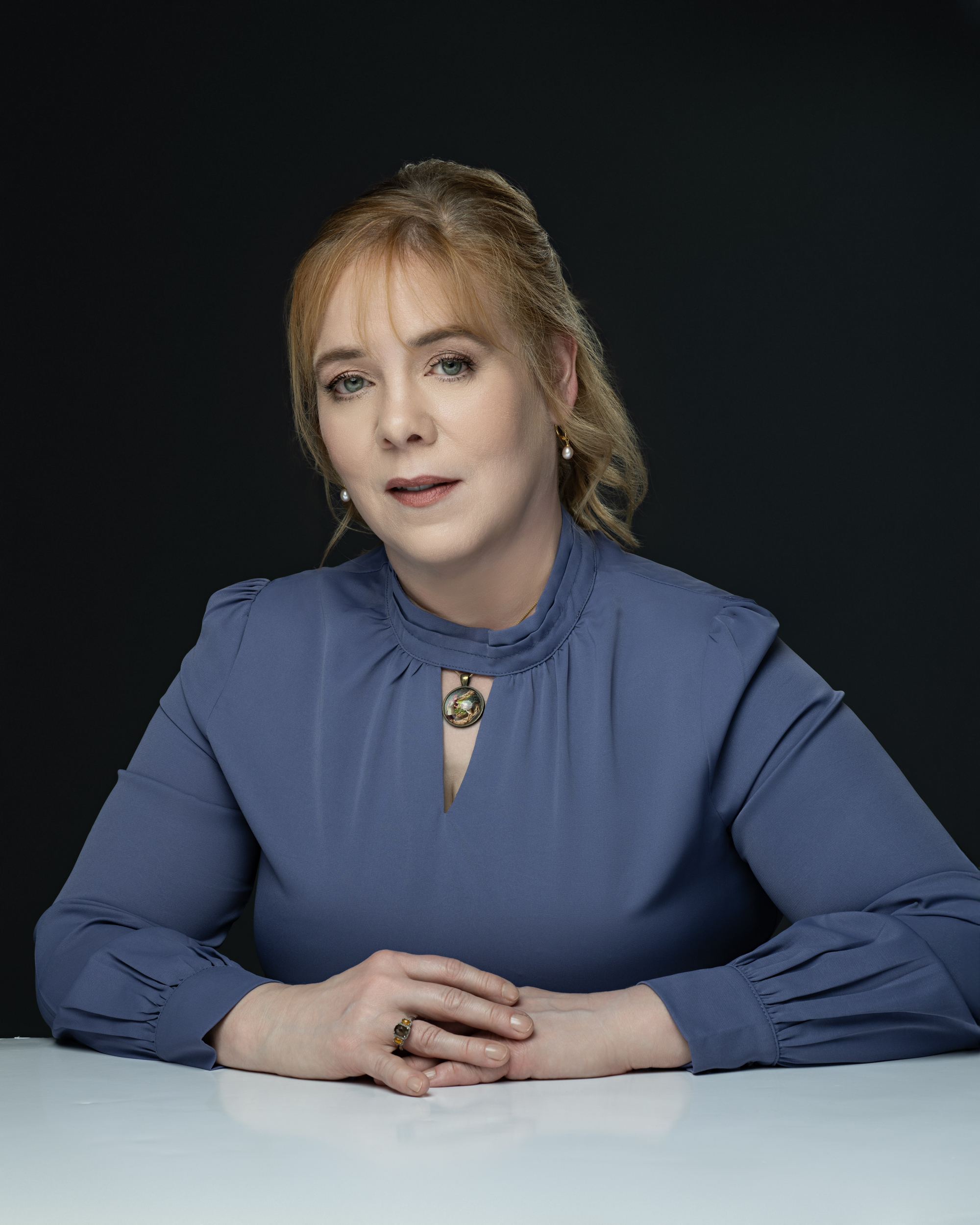
Dr Amy Du Beau
Anchorage, Alaska
907-312-8687
[email protected]
TO CITE THIS WEBSITE:
Du Beau A., Northern Forensics, LLC. https://northern-forensics.com